Understanding Osterfeuer Risks: A Look at Recent Incidents
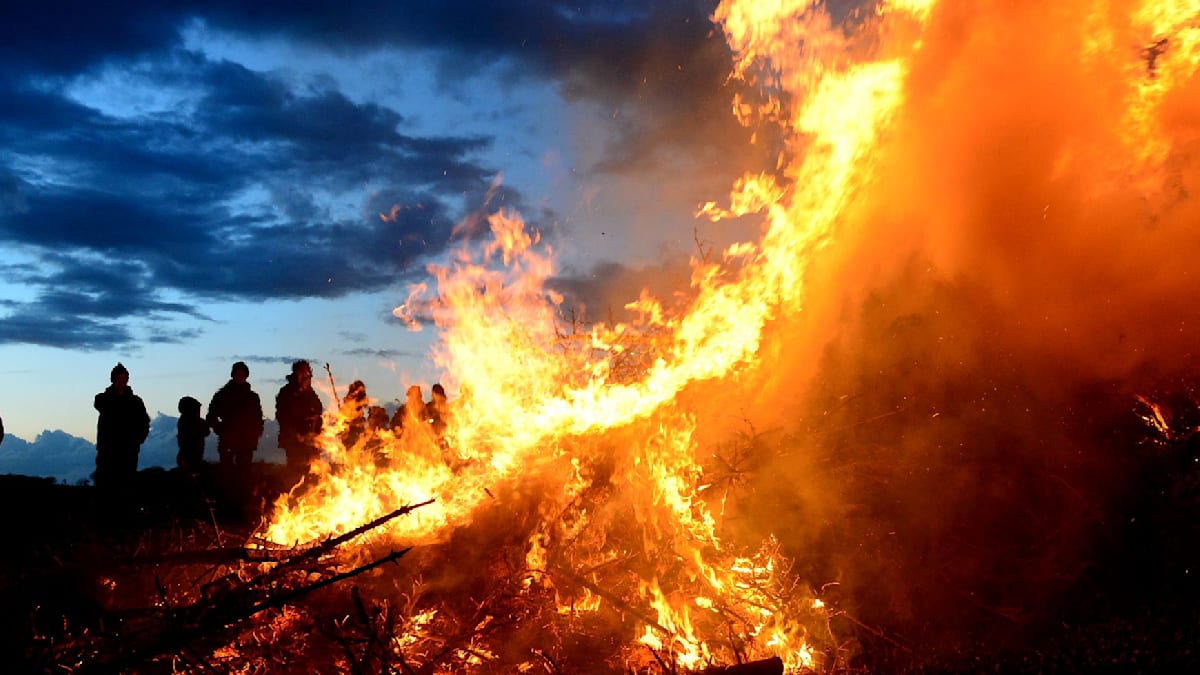
The crackling warmth of an open fire, the scent of woodsmoke mingling with the crisp spring air, and communities gathering to celebrate the end of winter – these are the cherished images associated with Osterfeuer, or Easter bonfires, in many parts of Europe. This centuries-old tradition, symbolizing the driving out of evil spirits and welcoming spring, brings joy and togetherness. However, beneath the festive glow lies an inherent element of risk. When things go awry, the beauty of the Osterfeuer can quickly turn into a dangerous situation, leading to property damage, injuries, or even fatalities. Recent incidents serve as stark reminders of the critical importance of safety, vigilance, and understanding the potential for an
Osterfeuer Unfall.
The Allure and Inherited Risks of Osterfeuer
Osterfeuer are more than just large bonfires; they are cultural touchstones, often organized by local clubs, communities, or even private individuals, marking a significant event in the annual calendar. The sheer scale of these fires, often involving substantial piles of wood and brush, creates an impressive spectacle. Yet, this very scale is what makes them inherently hazardous.
The primary risks associated with Osterfeuer are multifaceted:
*
Uncontrolled Spread: High winds can carry embers long distances, igniting dry vegetation, nearby buildings, or other flammable materials. Prolonged periods of drought, a growing concern in many regions, significantly amplify this risk, turning a controlled burn into a potential wildfire.
*
Direct Contact and Burns: The intense heat generated by large fires, coupled with the unpredictable nature of burning debris, poses a direct threat to spectators and participants. Children, in particular, are at high risk if not properly supervised and kept at a safe distance.
*
Smoke Inhalation: Dense smoke, especially from burning damp or inappropriate materials, can cause respiratory problems, particularly for individuals with pre-existing conditions.
*
Structural Collapse: Improperly stacked woodpiles can collapse unexpectedly, endangering anyone nearby who might be adding fuel or simply too close.
*
Vandalism and Early Ignition: Prepared woodpiles, left unattended before the designated burning time, can become targets for arson or unauthorized ignition, leading to premature and uncontrolled fires.
These risks underscore that while the tradition is beautiful, it demands respect and rigorous safety protocols to prevent an
Osterfeuer Unfall.
Recent Incidents: A Stark Reminder of Danger
The theoretical risks of an Easter bonfire are unfortunately regularly underscored by real-world incidents. One particularly concerning event occurred in Wolfshain, a district of Tschernitz, where a 15-year-old sustained severe injuries at a prepared Osterfeuer site.
In the early hours of Maundy Thursday, unknown individuals attempted to ignite the woodpiles that had been carefully prepared for the traditional Osterfeuer. These woodpiles, intended to be stacked later, were located at a local sports field. Despite the presence of an Osterfeuerwache (a dedicated bonfire watch) tasked with preventing such incidents, the attempt took place. During the subsequent efforts to extinguish the unauthorized fire, a 15-year-old boy was severely injured and had to be airlifted to a hospital. Police launched an investigation into both the arson attempt and the circumstances leading to the youth's injury.
This incident highlights several critical points:
*
Vulnerability of Prepared Sites: Even when under watch, prepared Osterfeuer sites can be targets for malicious acts or unauthorized access, especially during night hours.
*
Dangers of Extinguishing Efforts: Intervening in an uncontrolled fire, particularly without proper training or equipment, is extremely dangerous and can lead to serious injuries.
*
Youth Involvement: The presence of young people near such sites, especially during unauthorized activity, dramatically increases the potential for an
Osterfeuer Unfall.
While the details of other specific incidents may vary, the core message remains consistent: safety can never be taken for granted. Tragically, there have been other heartbreaking incidents, such as the one in Obhausen, where the proximity to such fires has led to severe consequences, reminding us all of the profound responsibility involved in organizing and attending these events.
Essential Safety Measures and Legal Responsibilities
Preventing an
Osterfeuer Unfall requires a comprehensive approach, combining common sense, community responsibility, and adherence to legal guidelines.
1.
Official Registration and Permitting: A crucial first step for anyone planning a larger bonfire, even privately, is to register it with the responsible local public order office (Ordnungsamt). As Ingo Aulbach of the Bundesverband Deutscher Versicherungskaufleute (BVK) advises, failing to do so could leave organizers liable for the costs of emergency services if concerned citizens report the fire. Registration ensures local authorities are aware, can provide guidance, and are better prepared to respond if an incident occurs.
2.
Site Selection and Preparation:
*
Location: Choose a clear, open area, far from buildings, dry vegetation, power lines, and public roads.
*
Clearance: Create a firebreak around the bonfire site by clearing away all flammable materials (leaves, grass, brush) to a sufficient distance.
*
Stacking: Stack woodpiles securely to prevent collapse. Leave gaps for air circulation but ensure stability. Check for hidden animals (hedgehogs, small mammals) before ignition, as they often seek shelter in such piles.
3.
Adequate Supervision (Osterfeuerwache):
* **Constant Watch:** The fire must be supervised by responsible adults from ignition until it is completely extinguished and cold.
* **Access Control:** Implement clear cordoning off to protect spectators and keep them at a safe distance. Ensure pathways for emergency services remain clear.
*
Preventing Early Ignition: If woodpiles are prepared in advance, implement measures to prevent unauthorized access and ignition, as seen in the Wolfshain incident. This might include security personnel or temporary fencing.
4.
Fire Extinguishing Equipment: Always have appropriate extinguishing agents readily available. This includes sufficient quantities of water (e.g., hoses, buckets), sand, and shovels.
5.
Weather Conditions: Never light a bonfire during strong winds or prolonged dry periods. Check local fire warnings and adhere to any bans.
6.
Appropriate Materials: Only burn untreated wood and natural brush. Avoid burning waste, treated wood, plastics, or other harmful materials, as these release toxic fumes and can cause uncontrolled burning.
For more detailed guidance on setting up and managing an Osterfeuer safely, refer to our article on
Osterfeuer Safety: Registration, Insurance, and Preventing Incidents.
Navigating the Aftermath: Insurance and Liability
Even with the strictest safety measures, accidents can happen. When an
Osterfeuer Unfall occurs, the financial consequences can be substantial, making adequate insurance coverage an absolute necessity. Understanding who pays for damages and injuries is paramount for organizers and participants alike.
As Ingo Aulbach emphasizes, "insurance questions need to be clarified." Several types of policies can come into play:
*
Personal Liability Insurance (Private Haftpflichtversicherung): This is arguably the most crucial insurance for private individuals organizing an Osterfeuer. It covers damages to third parties (persons or property) caused by negligence. If, for instance, an ember from your bonfire causes a neighbor's shed to catch fire, or a spectator is injured due to a lack of proper cordoning, this insurance could cover the costs.
*
Event Liability Insurance (Veranstalterhaftpflichtversicherung): For larger, publicly accessible Osterfeuer organized by clubs, associations, or municipalities, a dedicated event liability insurance is indispensable. This policy is designed to cover the specific risks associated with public gatherings and can provide broader protection against claims arising from accidents at the event.
*
Property Insurance (Sachversicherung): If the fire damages your own property (e.g., your house or garden structures), your personal property or homeowner's insurance might cover the costs, depending on the policy details and whether the fire was deemed accidental or due to gross negligence.
*
Accident Insurance (Unfallversicherung): While public health insurance covers immediate medical treatment, a private accident insurance policy can provide additional financial support for long-term injuries or disabilities resulting from an
Osterfeuer Unfall, such as the severe burns sustained by the teenager in Wolfshain.
It is absolutely vital to review your insurance policies well in advance of any Osterfeuer event. Clarify with your insurer whether your planned activities are covered, what exclusions might apply, and if additional coverage is needed. The cost of an emergency services deployment, particularly if it's deemed unnecessary due to a lack of official registration, can also fall to the organizer.
For a deeper dive into the financial implications and insurance coverage in the event of an accident, our article
Easter Bonfire Accidents: Who Pays for Damages & Injuries? offers valuable insights.
Conclusion
Osterfeuer are a cherished tradition, weaving together community, celebration, and a connection to ancient customs. However, their inherent beauty should never overshadow the significant risks involved. Recent incidents, particularly the severe injury sustained by a teenager in Wolfshain, serve as somber reminders that vigilance, careful planning, and adherence to safety protocols are non-negotiable. By understanding the potential for an
Osterfeuer Unfall, registering events with local authorities, implementing stringent safety measures, and ensuring adequate insurance coverage, communities can continue to enjoy this beloved tradition responsibly, safeguarding both people and property against unforeseen dangers. The warmth of the Osterfeuer should always be a symbol of togetherness, not a beacon of preventable tragedy.